
Build a useful stretch-film break report
Turn a wrapping interruption into a clear review record: identify the roll, describe the event and separate observations from suspected causes.
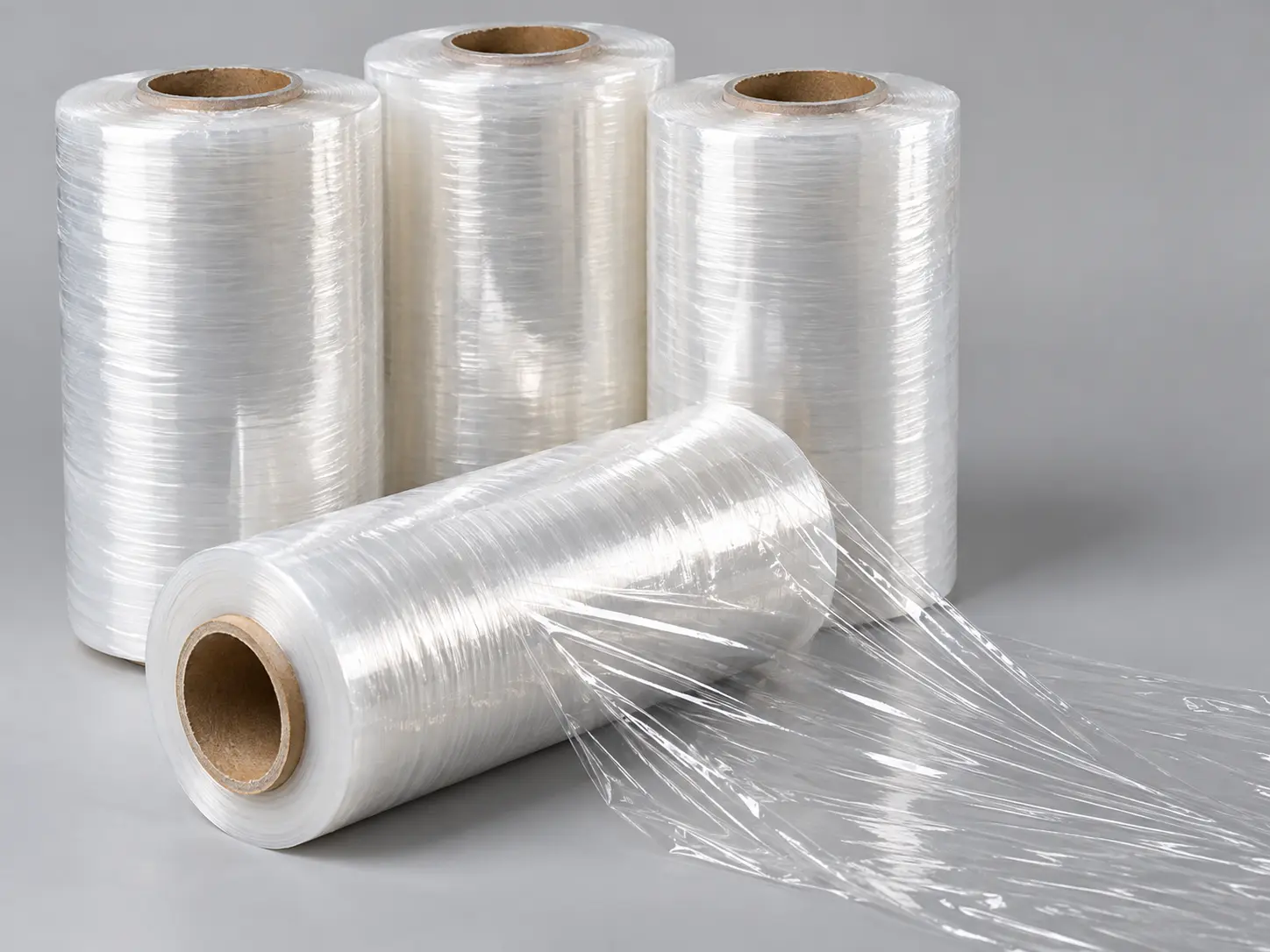
Start with what you observed
When stretch film breaks during a packing shift, prepare a short event record before drawing conclusions about the roll or wrapper. A useful report gives your supervisor, maintenance team or supplier something specific to review. It should describe what happened, what evidence was retained and which questions remain open.
Keep the record factual. Write “film separated near the upper corner on the third revolution” if that is what the operator observed. Avoid replacing that description with “weak film” or “incorrect tension” unless a competent review has established the cause. An observation and an explanation belong in separate fields.
Identify the roll and the wrapping job
Record the date, time, operator reference and wrapper identifier. Copy the product code, labelled dimensions and batch or lot reference from the packaging rather than relying on memory. If a reference is missing, mark it as unknown. Retain a photograph of the label with the report.
Describe the load being wrapped: carton or product arrangement, approximate dimensions, pallet condition and any visible protrusions. Note whether this was the first pallet on the roll or a later job. Use an internal job reference instead of customer names on material you intend to share externally.
Describe the interruption consistently
Choose a few repeatable event fields: where the separation appeared, the point in the wrapping cycle, whether it recurred and whether the pallet needed rewrapping. Record any displayed error message exactly. Keep an unexplained machine stop separate from a confirmed film break.
Add the operating programme and settings that were in use, as recorded by an authorised operator. This is a documentation step, not a direction to change settings or investigate moving equipment. Follow the site's established operating and incident procedures; leave equipment assessment to the responsible person.
Give each photograph a purpose
Attach an overview of the load and, where it can be obtained under site procedures, a closer image of the affected area. Label each image with the event reference and a short description. Indicate whether the image shows the original condition or the pallet after rework.
Keep the original images. Avoid edits that remove context or make a defect appear larger. If a sample is retained under your site's process, label it with the matching roll and event references. Record who holds it so the reviewer can request the correct material.
Record the scope without claiming a cause
State the number of affected events and the number of wrapping jobs observed over the same period. For example, a hypothetical record might say “three breaks during 40 wrapping jobs between 9 am and 11 am”. That describes one observation window; it does not establish a defect rate for every roll.
Note what changed during the window, including a roll change, different load arrangement or authorised programme adjustment. If several things changed together, say so. Do not present the next successful pallet as proof that one particular change solved the problem.
Close with a clear review request
Finish with the action requested: review the retained roll, assess the equipment record or agree what evidence to collect next. Assign an owner and a review date. Keep the conclusion open until that review is complete.
For a stretch-film enquiry, use the ANYTAPE stretch-film page linked below and prepare the roll identification and wrapping-job details. Keep any proposed replacement specification separate from the incident observations until its suitability has been assessed.