
Compare packaging tape quotes on the same basis
Put roll length, carton quantity and quoted charges on a common basis before assessing the cost of sealing your cartons.
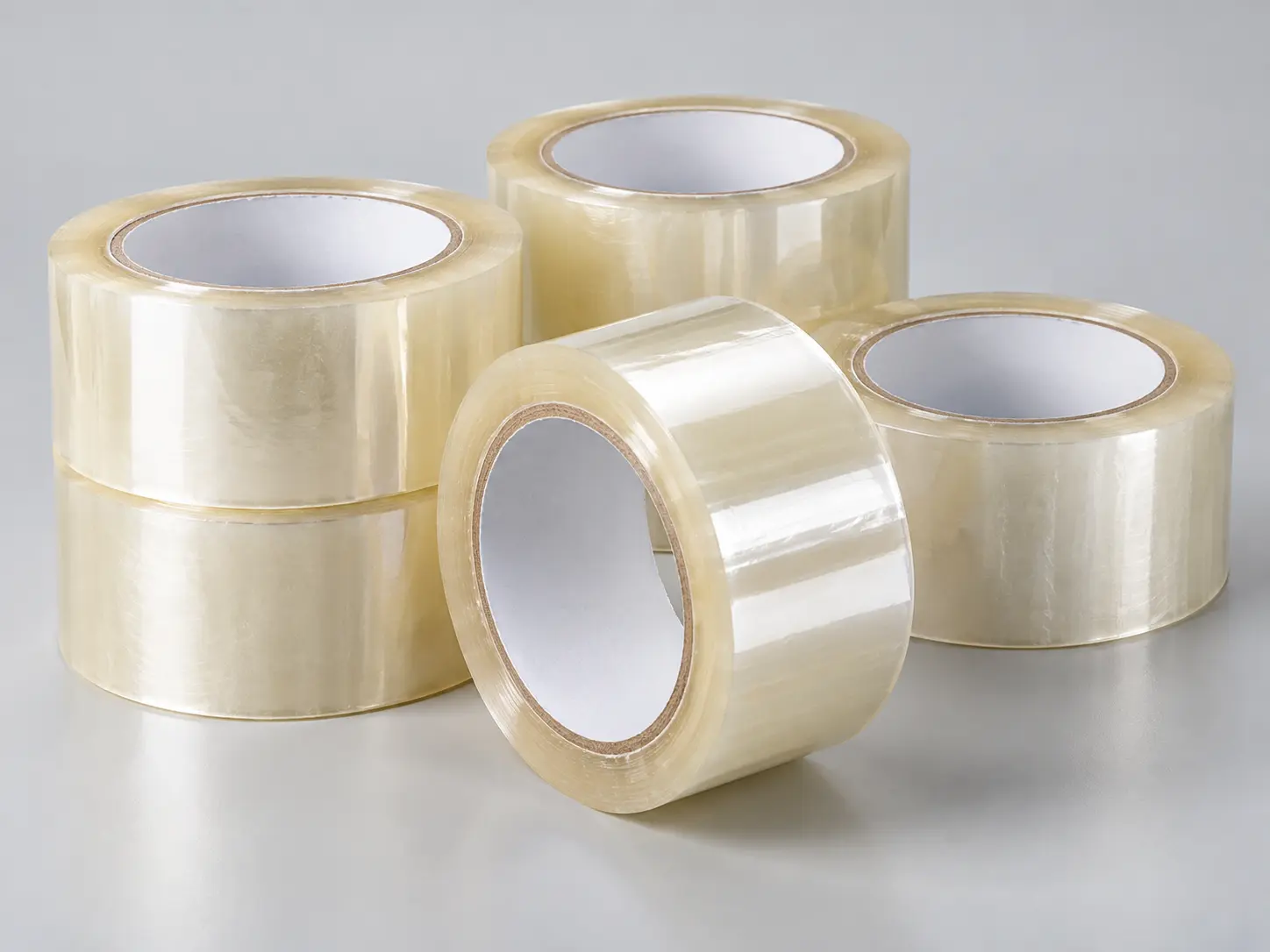
Keep the specification beside the price
A tape quotation is easier to review when the product description and price basis stay together. Before comparing totals, record the product code, width, stated thickness, adhesive description, roll length and packing quantity. Mark an unknown specification as a question rather than assuming it matches another offer.
Identify whether the proposed roll is intended for your hand dispenser or sealing equipment. Keep compatibility and application approval as separate review steps. A calculation can make two prices comparable, but it cannot establish that two tapes will perform alike on your cartons.
Convert carton prices to roll prices
Start with the unit being sold. If a quotation is per carton, divide that price by the confirmed rolls per carton. Keep the carton quantity visible in your comparison so a later packing change can be checked without reconstructing the calculation.
For example, a hypothetical carton priced at $86.40 with 36 rolls works out at $2.40 per roll. A carton total alone is not enough to compare it with an offer containing a different number of rolls. State the currency and GST basis alongside both figures.
Use a common length for a first comparison
Where widths and other specifications have been checked, calculate a price per common length. The formula for price per 1,000 metres is the price per roll divided by the stated metres per roll, multiplied by 1,000. Retain the stated length as an input; do not treat this calculation as an independent measurement of the roll.
In a hypothetical comparison, $2.40 for a 75-metre roll equals $32 per 1,000 metres. A 1,000-metre roll priced at $32 therefore has the same nominal price per metre. This arithmetic does not establish equipment compatibility, equivalent adhesive performance or a saving in your operation.
Show charges and quantity conditions
Place freight, handling and any other quoted charges in separate fields. Record which charges are included, excluded or awaiting confirmation. If you allocate a shared charge across several products, document the allocation method rather than hiding it inside the tape price.
Keep minimum quantities, price tiers and expiry dates attached to the offer they qualify. Compare the quantity you actually intend to buy. Do not apply a bulk tier to a smaller order or spread a one-off charge over future purchases that have not been agreed.
Move from quoted length to accepted cartons
For an operational comparison, agree a representative trial and define what counts as an accepted carton under your site's packing criteria. Record the tape used, accepted output, reworked cartons and discarded material. Keep different carton formats separate so a change in the job mix is visible.
Use the recorded tape quantity and its applicable price basis to calculate tape cost per accepted carton. Include tape consumed in rework within the observed period. Report labour and other costs separately unless you have measured them and clearly defined a broader comparison. A lower price per metre alone should not be presented as a lower total packing cost.
Make the decision traceable
Finish the comparison with the quotation date, assumptions, unresolved questions and the person reviewing the result. Keep the original offers with the calculation. If a supplier changes the specification, packing quantity or delivery basis, update the affected inputs before using the earlier conclusion.
For a tape enquiry, prepare your current roll specification, carton details, intended order quantity and delivery postcode. Use the ANYTAPE packaging-tape link below to start the discussion. Ask for the proposed product and commercial terms to be confirmed together before arranging a trial or placing an order.