
Define the limits of a produce-band sample
Keep a limited sample assessment separate from approval of the colour, specification and supply you intend to order.
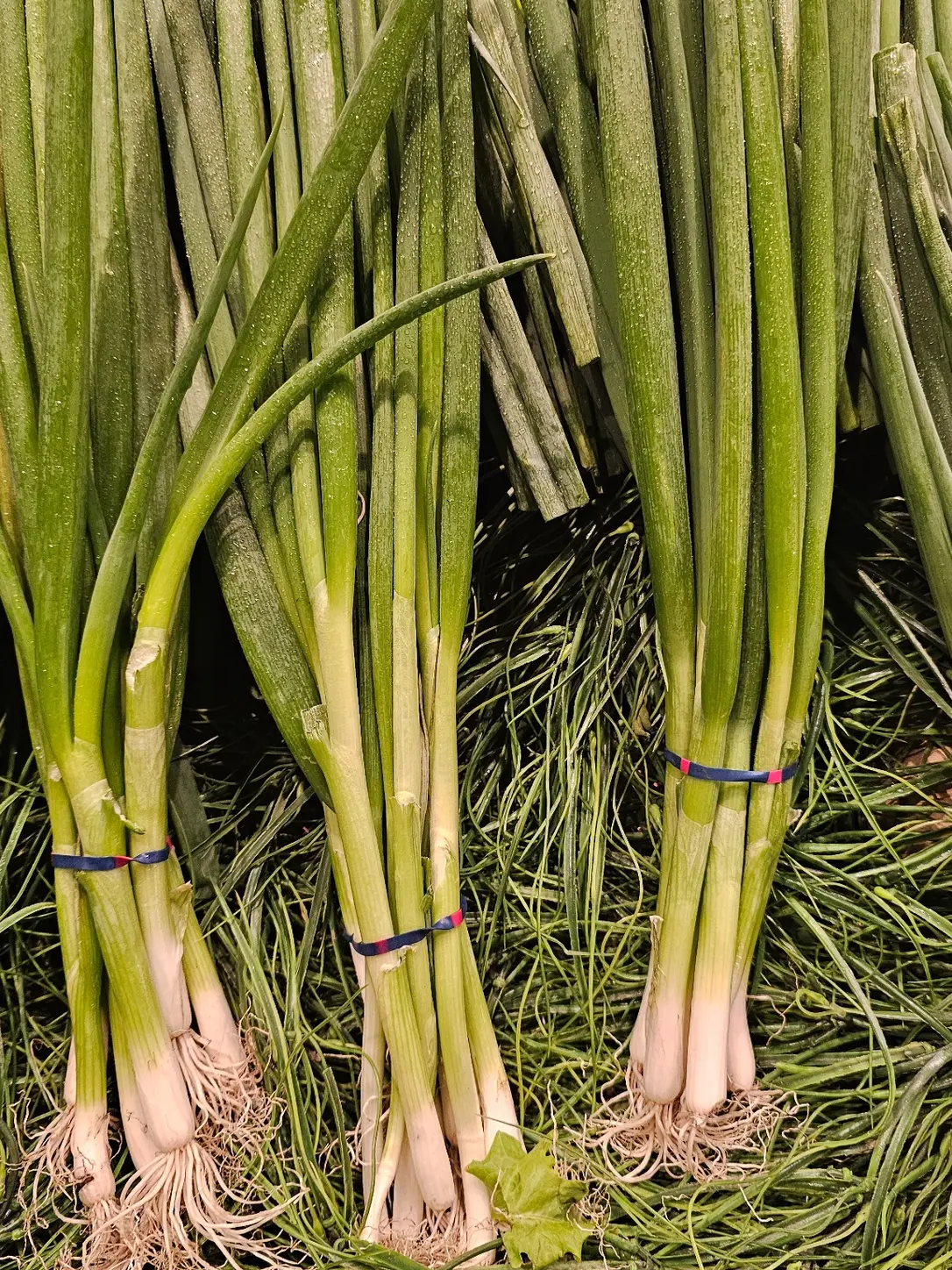
Give the sample one clear purpose
If the produce-band sample being considered differs from your requested item, agree what the assessment is intended to answer before using it. A team might want to observe application on a particular bunch size while leaving colour and final presentation for a later review.
Write that limited purpose on the sample record. Avoid a broad instruction such as “approve the band”. Instead, identify the observation sought, the person reviewing it and the questions that remain outside the assessment. Follow your site's requirements for introducing samples into the packing area.
Show the differences before the assessment
Place the requested specification and the proposed sample side by side. Record their references, stated dimensions, colour and pack format, marking anything unknown as unconfirmed. Ask the supplier to identify whether there are differences beyond the visible colour.
Keep the original requirement unchanged. If a grower requested a particular colour, receiving another colour for assessment does not amend that request. Obtain explicit agreement to the limited sample before arranging the assessment, including who may decide whether the sample is useful for its stated purpose.
Separate observations from approval
Record exactly which sample was applied to which produce. Include the crop, bunch dimensions, application method and observation date. Describe what the reviewer saw: how the band was applied, whether reapplication was needed and what the bunch looked like at the agreed inspection point.
Use a separate outcome field for the requested commercial item. A satisfactory observation on the sample should not automatically become approval of an untested colour or another specification. Ask the responsible reviewer what additional evidence or assessment is needed before making that decision.
Keep presentation questions open
If the sample colour differs, record colour acceptance as not assessed rather than passed. Keep any requirements for printed information, branding, tag position or presentation with the original brief. Do not use a photograph of the substitute sample as if it showed the final approved pack.
For a hypothetical example, a packhouse might record that a blue sample was applied to 20 bunches during an agreed assessment, while its requested band remains green. That record identifies the sample and the observation window. It does not demonstrate that the green option has been assessed, approved or confirmed for supply.
Control what happens to the sample afterwards
Decide in advance how trial material and labelled sample packs will be identified and handled under the site's procedures. Keep the sample reference with any photographs and notes. Record who holds any remaining material so that a later reviewer can identify the item actually assessed.
Where feedback is shared with a supplier, separate the observed result from a proposed next step. For example: “The application observation is complete; colour approval remains open. Please confirm the requested specification and the evidence needed for its assessment.” Avoid replacing that qualified result with “sample approved”.
Close the gap before an order
Before moving from assessment to purchasing, reconcile the final product reference, colour, dimensions and packing format with the buyer's requirement. Record the approval owner and any remaining conditions. Confirm the order quantity, availability and delivery timing separately; a sample assessment is not a stock allocation.
For an ANYTAPE produce-band enquiry, use the Eco-Bands link below and provide the required specification, intended use and sample objective. If an alternative sample is proposed, ask for its differences to be documented and agree the assessment limits before proceeding. Keep the final commercial requirement visible throughout the discussion.